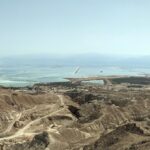


Oil shale operations involve several stages, including extraction, processing, and energy production. The first step is mining the oil shale from the ground. There are two main methods used: surface mining and underground mining. Surface mining is typically used when oil shale deposits are close to the surface, making it easier and cheaper to extract. Underground mining is used when deposits are deeper, though it is more complex and costly.
Once the oil shale is extracted, it must be processed to release the hydrocarbons trapped in the kerogen. The most common method is called retorting, in which the shale is heated to high temperatures in a controlled environment. This process breaks down the kerogen and produces shale oil and gas, which can then be refined into usable fuels.
Another advanced method is in-situ conversion, where the oil shale is heated underground without being removed. This technique reduces the need for large-scale mining and can have a smaller impact on the environment, although it requires sophisticated technology and careful monitoring.
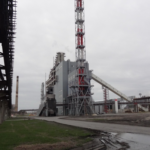
A real-world example of oil shale utilization is the Attarat Power Plant in Jordan. This facility generates electricity by directly burning oil shale, providing a significant portion of the country’s energy needs.
Despite technological advancements, oil shale operations still face challenges. These include high production costs, environmental impacts, and the need for large amounts of water and energy. To address these issues, modern research focuses on improving efficiency, reducing emissions, and developing more sustainable extraction methods.